Little Souls: Someone has to answer the phone
A resident called Town Hall about a cat dying in the street and was told there was no resource. Here is what the Town actually has for animals, what other towns do, and a plan written with Stéphanie Portelance, who rescues cats in our region. Compassion, with a written limit on every budget line.
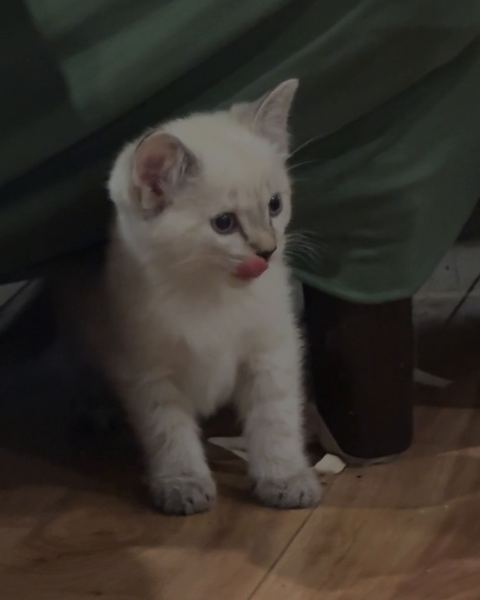
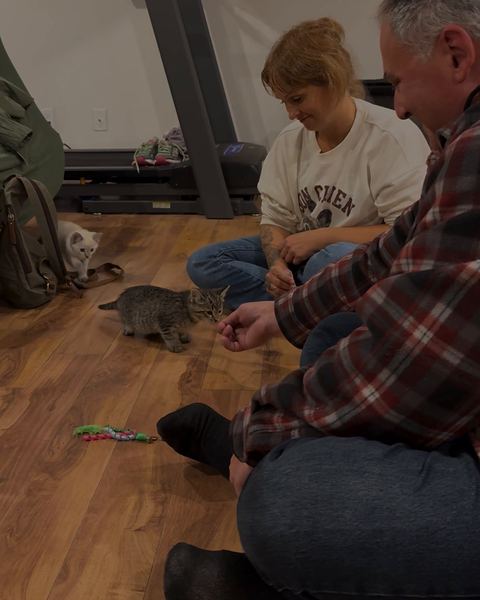
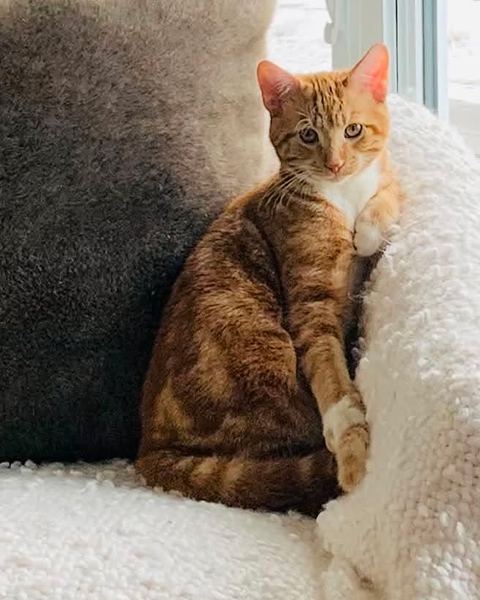
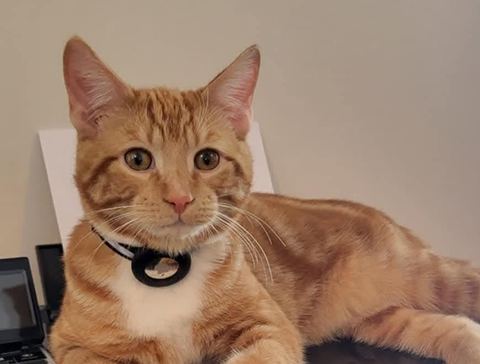
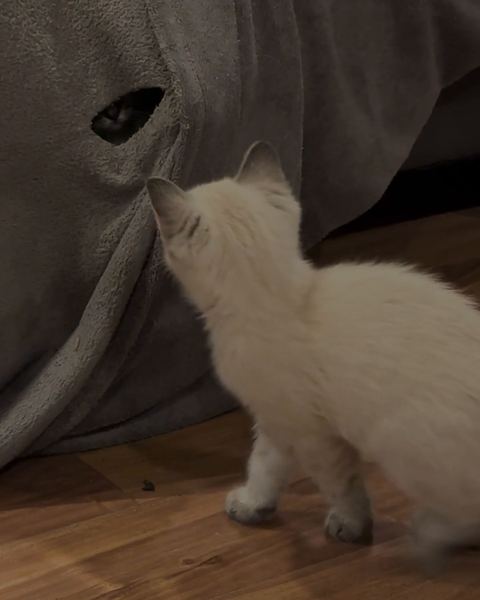
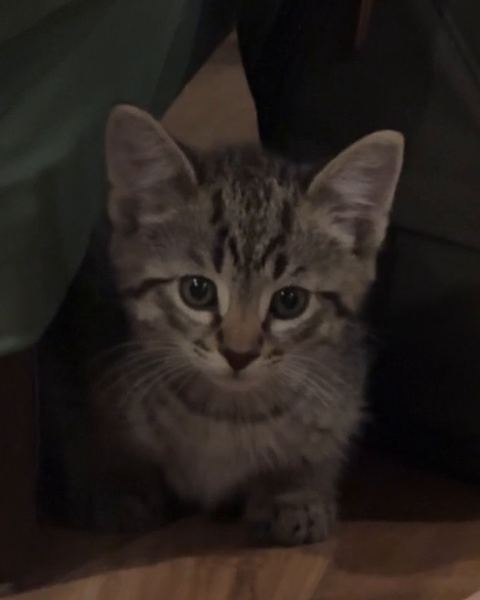
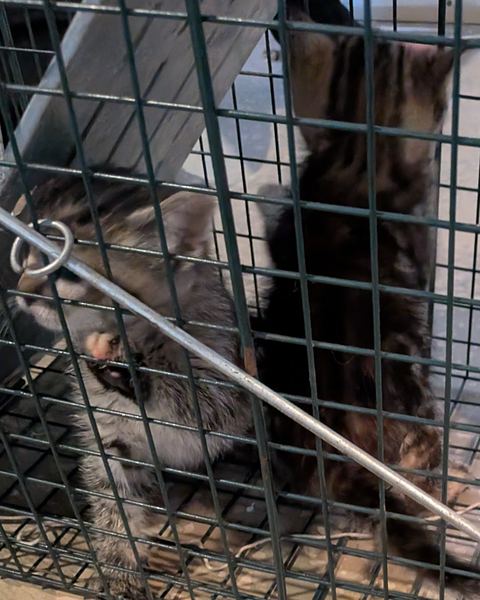
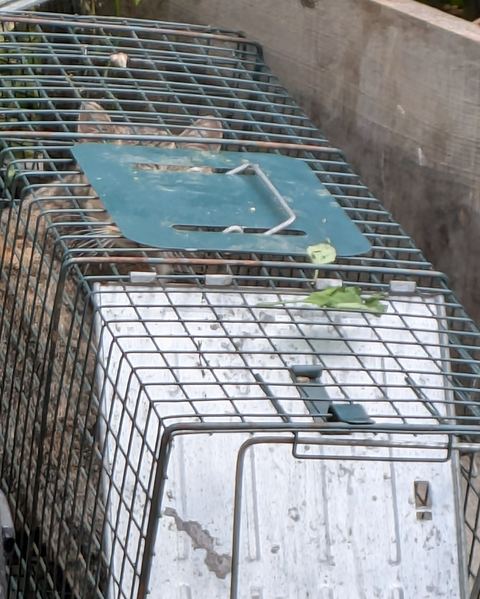
Start with what happened. On Monday, August 31, 2026, a resident called Town Hall about an injured cat that was clearly suffering, and asked if someone could come and get it. He was told no resource was available. The next evening the cat turned up in a neighbour's yard, barely moving. Three neighbours got it into a cage. One of them, a woman, took it home, gave it a blanket, water and food, and checked through the night whether it was still breathing. In the morning a clinic across the river examined it, told her it was old, starving, blind in one eye, deaf in one ear and in great pain, and recommended euthanasia. She paid the bill herself. Then she wrote to the mayor and council and asked one question. What is a citizen supposed to do? She told all of this herself, in public, in the town's Facebook group.
I answered her post in public that night. I do not blame the person who picked up the phone at Town Hall: they had no procedure to follow and no budget line to point to. That failure belongs to council, and to the mayor who chairs it. It is the job I am asking you for.
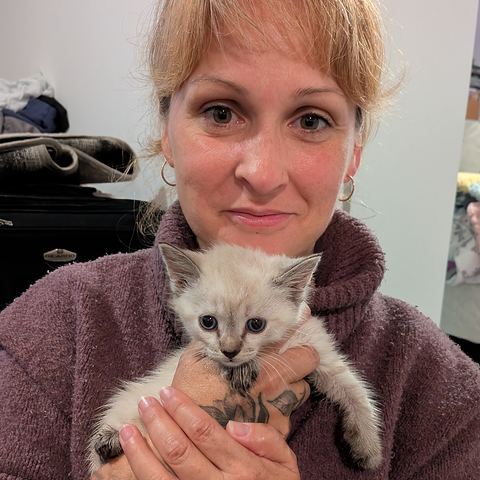
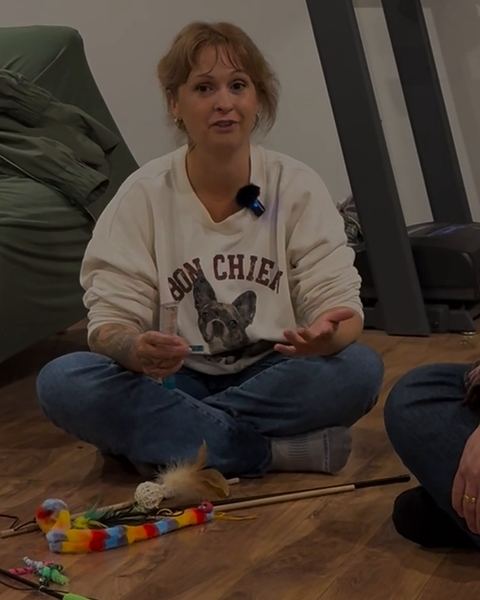
I wrote this plan with Stéphanie Portelance, the founder of Portelance - Cercle des Vies. She sent me a written proposal for the towns of Prescott and Russell, and we talked about her work on camera. Her proposal changed this plan. Where an idea is hers, I say so.
What the Town actually has for animals
Before you price a repair, you go and look. Here is what the Town's animal by-law, its fees by-law, its animal services page, its kennel contracts and five years of its budgets actually say. All of it is public.
By-law 36-2020, the Town's animal control by-law, names the cat as a domestic animal, and it says no domestic animal may run at large. What the by-law never does is give an officer a single duty about a cat. Every power to seize, impound, hold and adopt out is written for dogs. The "pound" is defined as a place for dogs. There is no cat licence, no word about stray cats, no word about feral colonies, and nothing about sterilization. The one clause that touches an injured animal lets an officer take it to a vet after it has already been picked up for running at large. For a cat, that pick-up never happens.
The Town's animal services page tells you what to do about a lost dog, a loose dog, a dead animal on the road and injured wildlife. It gives the by-law dispatch number, which answers during and after hours. For a living cat in trouble, the page says nothing at all. Nothing to do, nobody to call.
When Champlain Township's kennel gave notice in November 2022, council signed with a private kennel in East Hawkesbury, in May 2023. Staff wrote that a Town-owned kennel would cost about $50,000 to build and about $25,000 a year to run, and that the Town needs a kennel about fifteen times a year. This May, council amended the by-law again to work with Animatch, a non-profit dog adoption service in Pointe-Fortune. The staff report says the Town picks up 15 to 20 dogs a year, and half go home within a day. For dogs, the system works. The same report does not contain the word cat.
The 2022 budget had a line called Animal Control: $43,540 of spending and $800 of revenue. In the 2023 budget that line reads $0, and it has read $0 every year since. In the 2026 budget the line is gone. The Town did not stop spending on animals. In 2023 it folded the by-law department's sub-lines into one line, and that line is $650,400 this year. So the honest statement is this: nobody outside Town Hall can see what animals cost this town. Point 5 of my platform is Open the books.
The line went to zero on paper. The money moved into a bigger line, where you cannot see it any more.
The people carrying it for free
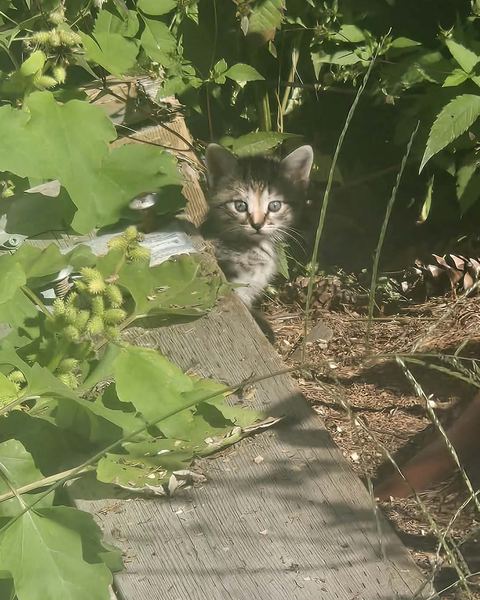
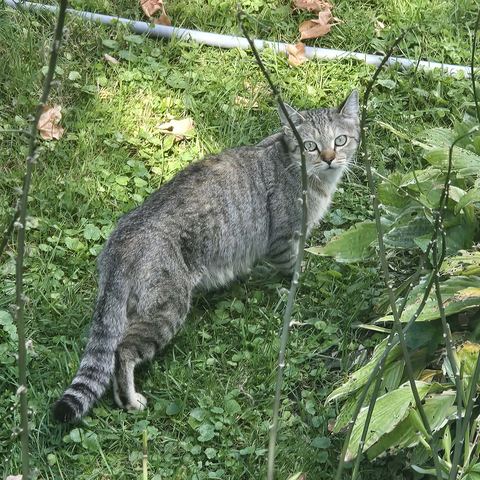
Hawkesbury does have a cat service: volunteers, paying out of their own pockets, who have been asking for help for years.
Six years of asking. Two volunteer groups. One rescue that had to stop taking cats because it was full. And a Town that answers, in 2024, that the problem is not alarming. I think the volunteers would disagree.
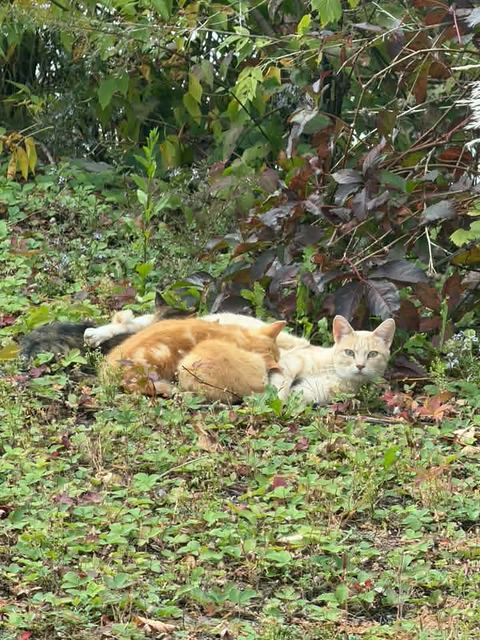
A citizen calls Stéphanie about a colony. She traps the cats, has them sterilized, and finds foster homes, then families, for the ones that can be adopted. The money comes from Facebook, word of mouth and pet food stores, but, in her words, "mostly coming from good citizens". She says the volunteers need "a low-cost vet", and that right now they have to drive a long way to find one.
Whose job it is, said straight
Here is the law. Since 2019, cruelty and distress are enforced by the province's Animal Welfare Services, with a line that answers day and night. What they are not is a pick-up service for every stray cat in Ontario. The Municipal Act says a town may regulate animals. It does not say a town must collect or shelter cats. And the animal centre in Cornwall, Ontario says it takes strays from places with no municipal coverage, when it has room. So the honest answer to "whose job is it" is this: it is whoever's job council decides to make it. Right now, for cats, council has decided nothing.
Our neighbours have not decided either. East Hawkesbury's website says it has no by-laws regarding cats. Champlain's animal page lists dog fees only. Clarence-Rockland's animal services are for dogs. Nobody in this corner of the county has a cat plan. That is a gap, and it is also an opening: towns that join together can share the costs.
What other towns actually do
Price it the way you price a job: by what the same work cost somebody else.
Across the river, Lachute pays a private animal patrol $58,000 for 2025 and $60,000 for 2026 to handle its animal control. That is the going rate for a full contract in a town about our size.
Windsor chose a cheaper approach for cats. Its 2026 budget carries $20,000 for sterilization vouchers: 260 vouchers worth $75 each, for low-income owners and for anyone caring for a feral cat. The owner pays the rest. The city pays for the part that stops the next litter.
Kawartha Lakes wrote cats into its kennel contract. In January 2025 its council put $90,500 into one agreement with its humane society that covers the dog pound, a trap-neuter-return program for feral cats and a stray cat pilot. Back in 2022, before that deal, a Kawartha Lakes report had already priced the cat piece on its own: about $25,000. Its staff also tried cat licences. In the first year, about ten cats were licensed. I take that as a warning: a tag tells you whose pet you have, and that is all. My plan has no cat tag.
And a township much smaller than us, Bonfield near North Bay, sat down this January with the same problem: a colony that came back, a humane society that had stopped taking municipal contracts, and residents feeding cats in public. Its staff costed a first year at about $25,000, using the township's own pound and a deal with a vet. Most of that estimate was pound work, and my plan builds no pound for cats. Small towns can do this. It takes a decision.
The plan, piece by piece, with the vote each one takes
A mayor has one vote of seven, but also the pen that writes the budget and the chair that keeps a question on the table until it is answered. Here is what I will put on the table, in order.
- One number, and an answer every time. The by-law dispatch line already answers during and after hours for dogs. It becomes the one number for any domestic animal in distress, with a written procedure behind it: who the dispatcher calls, in what order, and what happens next. During clinic hours, the clinic the Town has an agreement with; after hours, the provincial line and the volunteers. The words "no resource" come off the script. Every call is logged, and a caller who reaches a machine gets a call back. Stéphanie knows why that matters: she called about a dog more than once, was sent to an answering machine and never got a call back. The Town's animal services page lists both numbers, the cat procedure and what to do when you find kittens. Cost: staff time and one page of instructions. Vote: a council resolution in my first month.
- A standing deal with a vet for animals nobody owns. The by-law already lets an officer bring an injured animal to a vet. We widen that to any injured domestic animal an officer finds, cat included, and we sign a standing agreement with a local clinic, at set prices. Stéphanie asks that the same agreement give residents a low-cost price for their own animals and give registered rescue groups set prices of their own, and I will put both to the vets. Where there is an owner, the owner pays, as the by-law says today. Where there is none, the Town pays for the exam and, when a vet says so, for a humane end, up to a yearly limit set in the budget. If the limit is reached, I will ask council to top it up. A cat the vet can save is treated with money from the community cat fund described below, and goes into the volunteers' care. The agreement also covers a short stay for a cat, before and after surgery too: I will ask the clinic for that holding space first, because, as Stéphanie points out, there are not enough foster homes to hold cats around their surgery. I do not know yet whether a clinic here has room for this; that question goes to the vets before a number goes in the budget. Cost: the vet account, with its yearly limit. Vote: the by-law change, four of seven; the account sits in the 2027 budget.
- Write cats into the by-law properly. Rules that protect the people doing the work. A definition of a community cat: no owner, sterilized, ear-tipped, and part of a colony on the Town's register. Ear-tipping, which Stéphanie's proposal asks for, means the vet removes the small tip of one ear during the surgery, so anyone can see the cat is sterilized. A registered caretaker who feeds and watches over such a colony, following a one-page feeding standard, is not its owner, is not letting a cat run at large, and cannot be ticketed for that work. Letting your own cat roam outside is already against the by-law, and the Town's animal services page will say so plainly. Barn cats have owners too, and the vouchers below are open to them. A cat still tame enough to live indoors gets a path to adoption, through a foster home. The by-law also names the new services, so they do not depend on who is on duty that day. Cost: staff time to draft it. Vote: by-law amendments, four of seven.
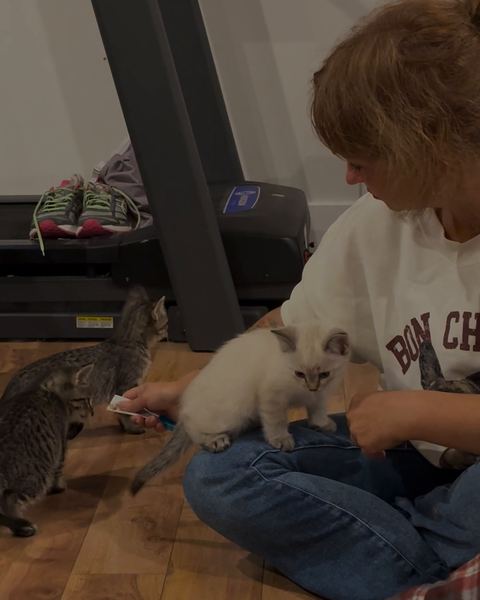
- Sterilization, colony by colony, with the people already doing it. The 2027 budget will carry a small voucher line, like Windsor's. The Town issues the vouchers and pays the clinics directly, for Hawkesbury residents and for colonies on the Town's register. A voucher pays part of the surgery. The vouchers go colony by colony, guided by the volunteers' records, staying with one colony until most of its cats are sterilized. Females first, on Stéphanie's advice, because that stops the next litter at the source. Cats tame enough for a home go to adoption, and the adoption fees help pay for the adult cats' care. Every quarter, the numbers come back: cats sterilized, cats adopted, cats returned. On top of the Town's line, a community cat fund, set up by by-law, that residents and businesses can give to. It pays for more vouchers and for treating cats that can be saved. Once a year, a community and business fundraising day for the fund, run with the volunteers, so that gifts carry more of the cost and the tax bill carries less. And I will ask the Ontario SPCA to hold a mobile spay and neuter clinic here; it works with towns on stray and feral cats. I cannot name the amount yet: it comes out of a budget I have not written, and you will see it, with its limit, the day I table it. Vote: the fund is a by-law, four of seven, and the voucher line sits in the 2027 budget.
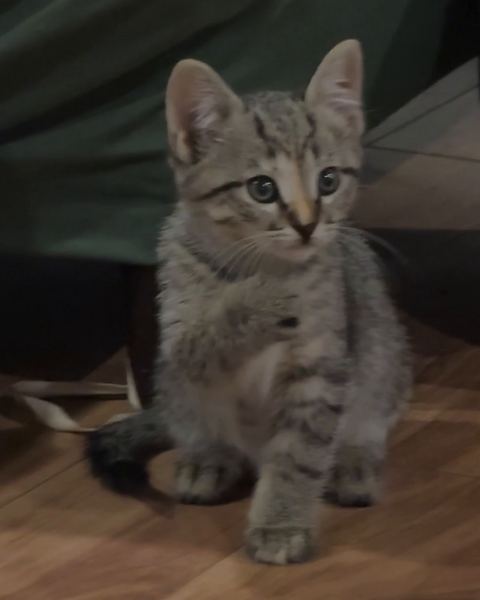
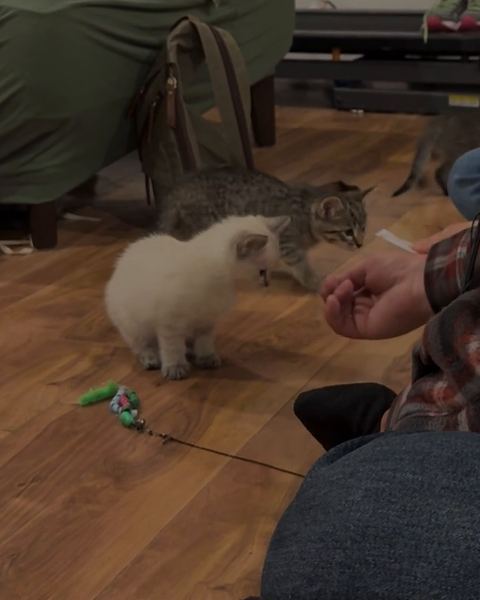
- A home base for the volunteers, without building a shelter. Stéphanie puts foster homes first. The by-law already lets the Town certify foster homes, for a $100 fee. That fee gets waived for foster homes that work with the program. The Town also has a written policy for recognizing community groups: a recognized group can get help with part of its first-year costs, storage space when the Town has some, insurance through the Town at the group's own cost, and the Town's facilities at preferential rates. Council should add animal welfare to that policy in writing. For a recognized animal welfare group from Hawkesbury, I will propose free use of a Town community room a set number of times a year, for fundraising, awareness and education, and sign-up days for low-cost sterilization, all run by volunteers. Council sets the number. Then the practical help: storage space, where the Town has it, for traps, carriers and straw, never for animals, and a few loaner traps. The regional volunteer organization that coordinates the program signs a written agreement with the Town: it trains caretakers, keeps the colony records, organizes the trapping and the adoptions, and reports its numbers every quarter. Stéphanie's organization has offered to do that, and the agreement is open to any group that meets the same standard. By-law officers do not trap colonies. Stéphanie's proposal adds three things the Town can help connect: a pet store as an adoption point, if a store wants to do it; donation bins at the pet food stores for supplies and money, with Hawkesbury groups first; and food and supply drives with local businesses. Cost: storage the Town already has, a few traps bought once, and the rent the Town gives up on a few room bookings. Vote: the agreement, the recognition policy, the fee waiver and the room use, four of seven each.
- Take it to the neighbours and the Counties. The cats do not read the township line, and animal control is a town power, so this is a deal between towns. I will raise it at the Counties' table and ask the two neighbouring councils to sit down with ours. Stéphanie's proposal is written for every town in Prescott and Russell, so each one can be offered the same agreement. If the neighbours join, the towns could share a vet account and a voucher pool. Cost: nothing new for Hawkesbury until a neighbour joins, and any shared pool is a separate council vote. Vote: a resolution here, four of seven, then a meeting with the two neighbouring councils.
- The line comes back into the books. Animal services gets its own budget line again, with the kennel contract, the vet account, the voucher line and the community cat fund shown separately. Once a year, a public report card: calls answered, animals collected, dogs returned, cats sterilized, colonies where most of the cats are now sterilized, dollars spent and dollars given. Stéphanie asks for the same thing in her proposal: a public record of every dollar raised and spent, so the people who give can trust it. Vote: the 2027 budget, which the mayor writes and council adopts.

What I cannot promise, and what I will try
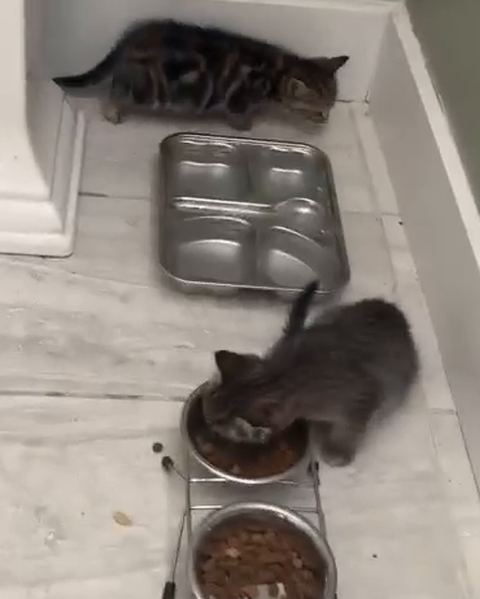
I cannot promise a Town shelter. The Town's own staff put a dog kennel at $50,000 to build and $25,000 a year to run, and a cat shelter is a different problem: a building fills the day it opens. What I will try is what empties the street: steady sterilization, colony by colony, and foster homes for the cats that can be adopted.
I cannot promise the strays are gone in one term. Colonies settle in a few years when the work is steady, and shrink over the years after that. What I will try: the report card every year, so you can see which colonies are shrinking. I cannot promise that volunteers can carry it alone forever either, so this plan pays for the part that wears them out: the vet account, the vouchers, the storage and the traps.
I cannot promise the program is free. Two pieces are Town money every year, each with a yearly limit in the budget: the vet account and the voucher line. The rest is a procedure, a by-law, a table with the neighbours and a line in the books. You will see the limits the day I table the 2027 budget. Compassion costs a phone that gets answered, a vet who gets paid, and a line in the budget you can read. That we can afford.
Stéphanie's proposal also asks for a free pick-up service for cats in trouble. I cannot promise one yet: it means staff, a vehicle and insurance, every year. What I will try: put its cost in front of council with my first budget, so the decision is made in public. Stéphanie's organization offers to run it with its volunteers: driving cats to spay days, and to a vet in Saint-Zotique if no clinic here can take them, and picking up stray cats that are dying so a vet can end their suffering. That lowers the staff cost, but the vehicle and the insurance remain, so it still goes in front of council.
Until then, if you find an animal in distress, please call two numbers: the by-law dispatch line at 613-632-1105, and the province's animal welfare line at 1-833-926-4625. Tell them where the animal is. Keep asking.
A town is judged by how it treats what cannot speak for itself. Three neighbours and a vet across the river showed what that looks like. Volunteers like Stéphanie show it every time they answer a call. Council's job is to make sure the next call gets an answer. That is a job I know how to do.
One number. A written next step. Every time.
The receipts
- By-law 36-2020, Animal Control By-law, Town of Hawkesbury, consolidated 2024 · definitions, sections 4, 8 and 10.
- By-law 36-2023, fees for services rendered by the Town · dog licence, impoundment and foster home fees.
- Town of Hawkesbury, "Animal Services" web page, read September 4, 2026.
- Recommendation 2023_REC_24 and By-law 25-2023, regular meeting of council, May 8, 2023 · the kennel agreement, the Champlain notice and the Town-built kennel estimate.
- Recommendation 2026_REC_23 and By-law 18-2026, regular meeting of council, May 11, 2026 · the Animatch agreement and the 15 to 20 dogs a year.
- Schedule A to the Town's budget by-laws, 2022 to 2026, Division 3, lines 230 and 233 · the Animal Control line and the By-law department line.
- The Review, November 29, 2020; November 13, 2017; May 20, 2023; November 25, 2023 · the council request, the sixteen colonies, the kennel, the rescue that stopped taking cats.
- Radio-Canada, "La surpopulation de chats sème l'inquiétude dans l'est ontarien", July 20, 2024 · the 2,000 cats and the Town's reply.
- Provincial Animal Welfare Services Act, 2019; Municipal Act, 2001, section 11 · who enforces distress, and what a town may do.
- Ontario SPCA, Cornwall and Region Animal Centre page, and "SPCA Mobile Animal Wellness Services Q&A", January 18, 2022 · the stray policy and the mobile clinic.
- Ville de Lachute, council minutes of October 7, 2024 and September 2, 2025 · the $58,000 and $60,000 contracts.
- City of Windsor, "2026 Spay/Neuter Voucher Program for Cats", March 4, 2026 · the $20,000, 260 vouchers at $75.
- City of Kawartha Lakes, report ML2022-001 and council decision of January 28, 2025, as reported by kawarthaNOW, January 30, 2025 · the $90,500 agreement, the $25,000 cat estimate, the ten licences.
- Township of Bonfield, report to council, January 13, 2026 · the $25,000 first year, and the humane society that stopped helping with cats.
- Town of Hawkesbury, Organization Recognition Policy SL-P-2021-01 and Organization Support Policy SL-P-2021-02, resolution R-338b-21, November 8, 2021 · what a group needs to be recognized and what it can get.
- Township of East Hawkesbury, Champlain Township and City of Clarence-Rockland animal services pages, read September 4, 2026.
- Town of Hawkesbury, procedure by-law · an ordinary motion carries on a majority of the members present, four of seven at full attendance.
- Stéphanie Portelance, Portelance - Cercle des Vies, "Municipal Collaboration Proposal", a written proposal to the towns of Prescott and Russell, sent to the campaign · colony stages, ear-tipping, adoption, foster homes, the free pick-up service and the public record of funds.
- Interview with Stéphanie Portelance, filmed by the campaign · her words on foster homes, a low-cost vet and where the money comes from.